Why I Keep Building Muscle — A Real Talk on Staying Healthy Long-Term
What if the real goal isn’t six-pack abs, but staying strong enough to live fully—decade after decade? Muscle building isn’t just for gym selfies; it’s a long-term investment in health. I started lifting not to look ripped, but to feel resilient. Over time, I noticed more energy, better sleep, and greater confidence. This is about more than looks—it’s health consciousness in action. Let’s explore why muscle matters far beyond the mirror.
The Hidden Purpose of Muscle Building
Muscle building is often misunderstood as a pursuit limited to athletes or those chasing an idealized physique. In reality, its purpose runs much deeper. Beyond appearance, muscle mass is a cornerstone of functional strength, metabolic efficiency, and long-term vitality. It supports everyday movements—carrying groceries, climbing stairs, playing with grandchildren—without strain or injury. As we age, maintaining muscle becomes less about aesthetics and more about independence, mobility, and quality of life.
One of the most persistent misconceptions is that strength training is only for the young or the extremely fit. This belief discourages many, especially women and older adults, from exploring its benefits. Yet research consistently shows that people of all ages can gain and maintain muscle with appropriate training. The body responds to resistance at any stage of life. Even individuals beginning strength work in their 60s or 70s can see meaningful improvements in strength, balance, and overall well-being.
The shift from short-term goals to lifelong health often begins with a change in mindset. Early on, many people approach fitness with goals like losing weight or fitting into a certain outfit. While these can be motivating, they are often temporary. What sustains long-term effort is a deeper understanding: strength is not just something you build—it’s something you preserve. It becomes less about how you look in a swimsuit and more about how you feel getting out of a chair or walking up a hill.
For many, the turning point comes through personal realization. One woman shared that she began lifting weights after a fall during a family hike. Though not seriously injured, the incident made her realize she wasn’t as strong as she assumed. She didn’t start lifting to look good—she did it to feel capable. That shift in intention—from appearance to ability—transformed her relationship with exercise. It was no longer something she endured; it became something she valued.
Why Long-Term Muscle Growth Matters for Health
As we age, the body naturally begins to lose muscle mass—a process known as sarcopenia. This decline typically starts around age 30 and accelerates after 50. Without intervention, adults can lose 3% to 5% of their muscle mass each decade. This loss directly impacts strength, balance, and mobility, increasing the risk of falls and fractures. More subtly, it also affects metabolic health. Muscle tissue is metabolically active, meaning it burns calories even at rest. Less muscle means a slower metabolism, which can contribute to weight gain and insulin resistance over time.
Building and maintaining muscle plays a crucial role in metabolic health. Muscles act as a storage site for glucose, helping regulate blood sugar levels. When muscles are strong and active, they improve insulin sensitivity, reducing the risk of type 2 diabetes. Studies have shown that individuals who engage in regular resistance training have better glycemic control and lower fasting blood glucose levels. This benefit is especially important for women in midlife, when hormonal changes can increase insulin resistance.
In addition to metabolic advantages, muscle supports joint stability and posture. Strong muscles around the knees, hips, and spine reduce strain on joints and lower the risk of chronic pain. For those managing conditions like osteoarthritis, strength training is often recommended as a non-pharmacological intervention. It doesn’t cure the condition, but it can significantly reduce symptoms and improve daily function. The support provided by muscle acts like a natural brace, absorbing impact and protecting bones and cartilage.
The long-term health benefits of muscle are well-documented. Evidence suggests that higher muscle mass is associated with a lower risk of cardiovascular disease, certain cancers, and all-cause mortality. A study published in the Journal of the American Heart Association found that individuals with greater muscle strength had a reduced risk of heart disease, independent of aerobic fitness. These findings reinforce that strength is not just about physical performance—it’s a vital sign of overall health.
Perhaps most compelling is the compounding effect of consistent effort. Small, regular investments in strength training today can prevent significant physical decline years down the road. Just as saving money early builds financial security, building muscle early builds physical resilience. The effort may seem modest—two short sessions a week, bodyweight exercises, light dumbbells—but over time, the returns are profound. It’s not about dramatic transformations; it’s about preserving the ability to live fully, independently, and actively across decades.
Breaking the All-or-Nothing Mindset
One of the main reasons people abandon strength training is the all-or-nothing mindset. Many begin with enthusiasm, aiming for daily workouts, strict diets, and rapid results. When life gets busy or progress slows, motivation fades. They see a missed workout as failure, a small indulgence as a setback, and eventually, they quit altogether. This pattern is common and deeply rooted in cultural narratives that equate fitness with perfection and intensity.
The truth is, long-term success rarely comes from extreme efforts. It comes from consistency, not intensity. A 20-minute workout done twice a week is far more valuable than an hour-long session done once and then abandoned. The key is sustainability. Viewing fitness as a lifestyle—something integrated into daily life, like brushing your teeth or eating meals—removes the pressure of constant performance. It becomes less about achieving a goal and more about maintaining a habit.
Another obstacle is the misconception that fitness must yield visible results to be worthwhile. People often expect quick changes in body shape or size. When the scale doesn’t move or clothes don’t fit differently within weeks, they assume nothing is happening. But internal changes—improved bone density, stronger connective tissues, better neuromuscular coordination—occur long before visible muscle growth. These are the foundations of lasting health, even if they’re not reflected in a mirror.
Consider the story of a 48-year-old mother of two who began strength training after years of inactivity. She started with just two 30-minute sessions per week, using resistance bands and bodyweight exercises at home. She didn’t follow a strict diet or track every rep. Yet within six months, she noticed she could carry her luggage without discomfort, play with her children without getting winded, and stand for longer periods while cooking. These small wins—often overlooked—became her motivation. She didn’t transform her body overnight, but she transformed her life in meaningful ways.
Redefining progress is essential. Instead of measuring success by weight loss or muscle definition, she began tracking how she felt: her energy levels, her posture, her ability to keep up with daily demands. This shift in focus made the journey more rewarding and less dependent on external validation. It also made setbacks easier to manage. A missed week due to travel or illness didn’t derail her—it simply became part of the process, not a reason to quit.
Building Health Consciousness Through Daily Choices
One of the most powerful, often unexpected outcomes of strength training is the way it heightens overall health awareness. When you begin lifting weights or doing resistance exercises, you start paying attention to how your body feels, moves, and recovers. This increased sensitivity naturally extends to other areas of health. You begin to notice how food affects your energy, how sleep influences your performance, and how stress impacts your posture and breathing.
Strength training teaches you to see the body as an interconnected system. Nutrition, for example, becomes less about restriction and more about fuel. You start asking: What gives me energy for my workouts? What helps me recover? Instead of following trendy diets, you develop a personal understanding of what works for your body. Protein becomes important not because of a fad, but because you feel stronger when you include it. Hydration matters because you notice cramps or fatigue when you’re dehydrated.
Recovery also gains new importance. You learn that rest is not laziness—it’s a necessary part of growth. Muscles don’t get stronger during the workout; they get stronger during recovery. This understanding encourages better sleep habits, mindful rest, and even stress management techniques like deep breathing or gentle stretching. Over time, these small choices compound, creating a foundation of holistic wellness.
The ripple effect of this awareness is significant. One woman shared that after starting strength training, she began prioritizing sleep, not just for energy but for muscle repair. She started drinking more water throughout the day and became more aware of her posture while working at her desk. She even began taking short walks after meals, noticing how movement supported digestion and mood. These changes weren’t forced—they emerged naturally from a growing respect for her body’s needs.
She put it this way: “I started noticing what fuelled me—not just in workouts, but in life.” This shift—from external rules to internal awareness—is at the heart of sustainable health. It moves you away from dieting and deprivation and toward listening, responding, and honoring your body. It’s not about perfection; it’s about presence. And that presence becomes a form of self-care that extends far beyond the gym.
Practical Steps for Sustainable Muscle Development
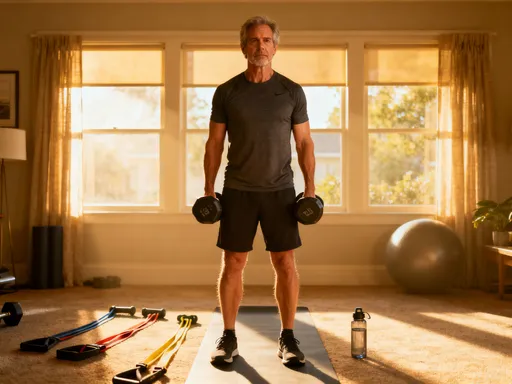
Starting a strength training routine doesn’t require a gym membership, expensive equipment, or hours of time. The most effective approach is often the simplest. For beginners, bodyweight exercises like squats, lunges, push-ups (modified if needed), and planks are excellent starting points. These movements build foundational strength, improve coordination, and can be done at home with no equipment. Resistance bands are another affordable, portable option that provide variable levels of tension and support progressive overload.
Progressive overload—the gradual increase in stress placed on the body during exercise—is essential for muscle growth. But it doesn’t have to mean lifting heavier weights every week. It can be as simple as doing one more rep, holding a plank 10 seconds longer, or reducing rest time between sets. Tracking effort, rather than obsessing over numbers, keeps the focus on consistency and personal progress. A notebook, app, or even mental notes can help you recognize improvements over time.
Nutrition plays a supporting role. Protein is important for muscle repair and growth, but it doesn’t require expensive shakes or supplements. Including a source of protein with each meal—such as eggs, Greek yogurt, beans, tofu, or lean meat—can meet most people’s needs. Total daily intake matters more than timing, though having some protein after a workout can support recovery. Hydration and overall balanced eating—rich in vegetables, whole grains, and healthy fats—also contribute to energy and resilience.
A sustainable weekly structure might include two to three strength sessions, each lasting 20 to 30 minutes. These can focus on major movement patterns: pushing, pulling, squatting, and hinging. Incorporating flexibility or mobility work—like stretching or yoga—on the same day or on rest days enhances joint health and reduces stiffness. The goal is not to train like an athlete, but to move in ways that support long-term function and comfort.
Overcoming Plateaus and Staying Motivated for Years
Plateaus are a normal part of any long-term fitness journey. After initial progress, gains may slow or seem to stop. Strength might not increase, body composition might not change, and motivation can wane. But plateaus are not failures—they are signs that the body has adapted. The solution is not to push harder, but to adjust. This might mean changing the routine, increasing volume gradually, or focusing on different goals, such as balance, coordination, or endurance.
Setbacks are equally normal. Life brings busy seasons—family demands, work deadlines, travel, illness. During these times, workouts may be missed. Injuries, even minor ones, can disrupt routine. The key to long-term success is not perfection, but resilience. Self-compassion is critical. Instead of criticizing yourself for a missed week, acknowledge the challenge and gently return. Fitness is not a punishment for inconsistency; it’s a practice of showing up, again and again, with kindness and patience.
Adjusting goals over time helps maintain motivation. Early on, the focus might be on building strength. Later, it may shift to injury prevention, maintaining mobility, or supporting bone health. One woman in her 50s shared that her goal was no longer to lift heavier weights, but to keep her balance strong enough to hike with her family. Another focused on maintaining shoulder strength to continue gardening without pain. These functional, meaningful goals keep the practice relevant and personal.
Community and accountability also play a role. Exercising with a friend, joining a small group class, or simply sharing progress with a loved one can provide encouragement. Online communities, especially those focused on midlife fitness, offer support and shared experiences. But accountability doesn’t have to come from others—it can come from within. Setting small, realistic intentions and celebrating them builds internal motivation. As one woman said, “It’s not about pushing harder—it’s about showing up, even when it’s quiet.”
Muscle as a Lifelong Partner in Wellness
When viewed through the lens of lifelong health, muscle becomes more than a physical attribute—it becomes a partner in wellness. It’s not something to be built and then forgotten, but something to be nurtured and maintained. It represents a commitment to vitality, independence, and self-respect. This perspective shifts the narrative from fitness as punishment to fitness as preparation—for the years ahead, for the life you want to live.
The emotional benefits of sustained strength training are profound. Confidence grows not from how you look, but from what you can do. Resilience builds with every workout completed, every challenge faced. There’s a deepening connection to your body—a sense of trust, of partnership. You learn to listen to its signals, honor its limits, and celebrate its strengths. This relationship fosters a sense of empowerment that extends beyond physical health.
Encouraging health consciousness in others doesn’t require preaching or perfection. It comes from living it. When friends notice you have more energy, when family sees you moving with ease, they begin to ask questions. You don’t have to give advice—your example becomes the message. And in sharing your journey, not as a before-and-after story, but as an ongoing practice, you normalize the idea that health is a lifelong journey, not a destination.
In the end, the decision to keep building muscle is a quiet but powerful act of self-care. It’s a choice to invest in your future self. It’s a promise to stay strong—not for a photo, but for life. As one woman reflected, “This isn’t a phase. It’s how I choose to honor my health every day.” And in that choice, there is strength, peace, and lasting well-being.