How I Fought Hair Loss with Just 3 Simple Exercises
Hair loss affects millions, but what if the solution isn’t in a bottle? I discovered that regular exercise significantly improved my scalp health and slowed thinning. It’s not magic—just science-backed movement. In this guide, I’ll walk you through how specific workouts boost blood flow, reduce stress hormones, and create the right environment for stronger hair. You don’t need extreme routines—just consistency and the right approach.
The Hidden Link Between Exercise and Hair Health
Hair growth begins beneath the surface, where biology and lifestyle intersect. While many focus on topical treatments or supplements, few consider how physical activity supports the very foundation of hair health: the scalp’s microenvironment. Scientific research confirms that blood circulation, hormonal balance, and systemic inflammation play critical roles in follicle function. When these systems are disrupted, hair thinning often follows. Exercise, particularly when consistent and well-balanced, helps regulate all three.
Blood flow is essential because hair follicles rely on a steady supply of oxygen and nutrients to remain active. The scalp, like any other tissue, benefits from improved circulation. During physical activity, heart rate increases, pumping more blood throughout the body—including to the scalp. This enhanced delivery system nourishes follicles, potentially prolonging the anagen (growth) phase of the hair cycle. At the same time, exercise helps remove metabolic waste products that can accumulate around follicles and impair function.
Hormonal regulation is another key factor. Dihydrotestosterone (DHT), a derivative of testosterone, is widely recognized as a contributor to androgenetic alopecia—the most common form of hair loss. While genetics determine sensitivity to DHT, lifestyle factors such as stress and physical inactivity can exacerbate its production. Regular movement helps modulate hormone levels, reducing excess cortisol and supporting a healthier endocrine profile. Additionally, physical activity reduces systemic inflammation, which has been linked to premature follicle miniaturization.
It’s important to clarify a common misconception: exercise will not regrow hair that has already been lost due to advanced balding. However, it can slow further thinning and improve the overall health of existing hair. Think of it as preventive maintenance—like brushing your teeth to avoid cavities rather than expecting the brush to grow new teeth. The goal is not reversal but preservation. When combined with other healthy habits, exercise becomes part of a proactive strategy for long-term hair wellness.
Stress, DHT, and Why Your Workouts Matter
Chronic stress is one of the most overlooked triggers of hair loss. When the body experiences prolonged psychological or physiological strain, it responds by releasing cortisol, often called the “stress hormone.” Elevated cortisol levels disrupt multiple bodily systems, including those involved in hair growth. High cortisol can shorten the hair growth cycle, pushing more follicles into the telogen (resting) phase, which eventually leads to shedding—a condition known as telogen effluvium.
But cortisol’s impact doesn’t stop there. It also influences the conversion of testosterone into DHT, particularly in genetically predisposed individuals. DHT binds to receptors in hair follicles, causing them to shrink over time. This process, known as miniaturization, results in progressively finer, shorter hairs until growth ceases altogether. While DHT is naturally present in both men and women, excessive levels—fueled by stress, poor sleep, and inactivity—can accelerate hair thinning.
Physical activity offers a natural way to counteract this cascade. Exercise stimulates the release of endorphins and other mood-regulating neurotransmitters, helping to lower cortisol production. A 2019 study published in the journal *Psychoneuroendocrinology* found that individuals who engaged in moderate aerobic exercise for 30 minutes five times per week experienced a significant reduction in cortisol levels after eight weeks. These findings suggest that consistent movement can help reset the body’s stress response, indirectly protecting hair follicles from hormonal damage.
Aerobic exercise, in particular, has been associated with lower DHT levels. Research from the *European Journal of Applied Physiology* indicates that regular cardiovascular activity may reduce the activity of 5-alpha-reductase, the enzyme responsible for converting testosterone to DHT. While more studies are needed to confirm these effects across diverse populations, the existing evidence supports the idea that staying active helps maintain hormonal equilibrium. This doesn’t mean you need to run marathons—simple, sustainable activities like walking or cycling can yield meaningful benefits.
Cardio That Cares: Boosting Scalp Circulation
Cardiovascular exercise is one of the most effective ways to enhance blood flow throughout the body, including the scalp. When the heart pumps faster during aerobic activity, it increases circulation to peripheral tissues, delivering oxygen and vital nutrients directly to hair follicles. This improved nutrient delivery supports cellular metabolism within the follicle, promoting stronger, healthier hair strands. Over time, consistent cardio can help extend the growth phase of the hair cycle, reducing premature shedding.
Activities such as brisk walking, cycling, swimming, and low-impact aerobics are excellent choices. These forms of exercise elevate heart rate without placing excessive strain on the body, making them suitable for people of all fitness levels. Brisk walking, for instance, requires no special equipment and can be done anywhere. A 30-minute walk at a pace of about 3 to 4 miles per hour is sufficient to stimulate circulation. Cycling—whether outdoors or on a stationary bike—offers similar benefits while being gentle on the joints. Swimming provides full-body engagement with minimal impact, making it ideal for those managing joint discomfort or mobility issues.
For optimal results, aim for moderate-intensity cardio at least three to five times per week. The American Heart Association recommends 150 minutes of moderate aerobic activity weekly for adults, which translates to roughly 30 minutes five days a week. This level of activity is enough to support cardiovascular health and, by extension, scalp circulation. Intensity should allow conversation but make breathing noticeably deeper—often referred to as the “talk test.” Exceeding this threshold isn’t necessary and could lead to overtraining, which may increase cortisol and counteract the intended benefits.
Timing also matters. Some people report better scalp sensations when exercising in the morning, possibly due to improved circulation after a night of inactivity. Others prefer evening workouts to unwind. The key is consistency. Even short bursts of movement—such as two 15-minute walks—can be effective. The goal is to keep blood flowing regularly, creating a nourishing environment for hair follicles day after day. Over time, this consistent support may translate into reduced thinning and improved hair texture.
Strength Training for Hormonal Harmony
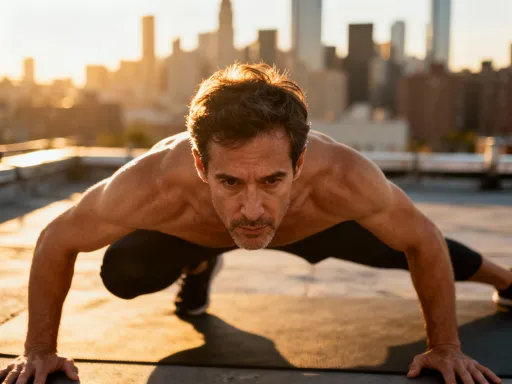
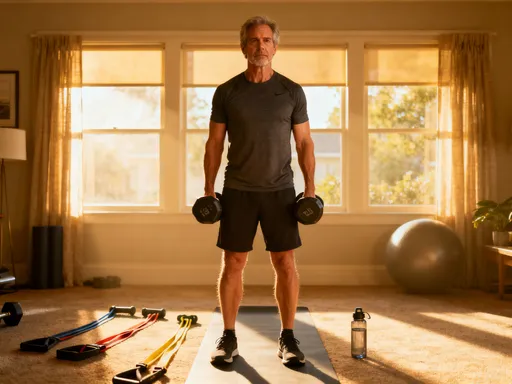
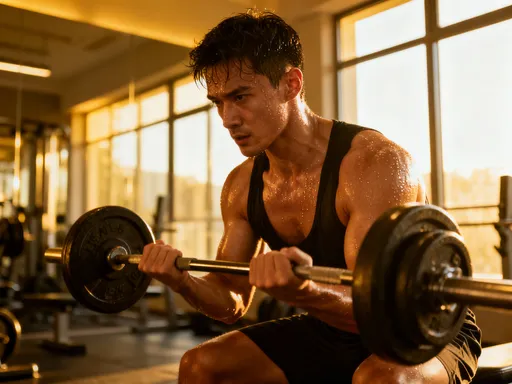
While cardio supports circulation, strength training plays a unique role in balancing hormones that affect hair health. Resistance exercises such as squats, lunges, push-ups, and resistance band workouts engage large muscle groups, triggering the release of growth hormone and testosterone in controlled amounts. These hormones, when properly regulated, support tissue repair and overall vitality—including hair follicle function.
However, the relationship between strength training and hormones is delicate. Moderate resistance training helps stabilize cortisol levels by improving the body’s ability to manage stress. It also supports insulin sensitivity, which indirectly influences hormone metabolism. A 2020 review in the *Journal of Clinical Endocrinology & Metabolism* found that individuals who performed resistance training two to three times per week showed improved hormonal profiles, including lower resting cortisol and more balanced androgen levels. These changes create a more favorable internal environment for maintaining healthy hair.
Compound movements—exercises that work multiple muscle groups at once—are especially beneficial. Squats, deadlifts, bench presses, and overhead presses activate large areas of the body, leading to greater hormonal response with less overall strain. For example, a squat engages the glutes, hamstrings, quadriceps, core, and lower back, making it highly efficient. Push-ups target the chest, shoulders, triceps, and core simultaneously. These exercises don’t require a gym; bodyweight versions can be done at home with minimal space.
That said, excessive strength training without adequate recovery can backfire. Overtraining syndrome is characterized by persistently high cortisol, fatigue, disrupted sleep, and hormonal imbalances—all of which can negatively affect hair. Lifting heavy weights every day without rest may increase physical stress, potentially worsening hair loss rather than preventing it. The key is balance: aim for two to three strength sessions per week, allowing at least one full day of recovery between workouts. Focus on proper form, gradual progression, and listening to your body’s signals to avoid pushing too hard.
Yoga and Mind-Body Movement: Calming the Source of Loss
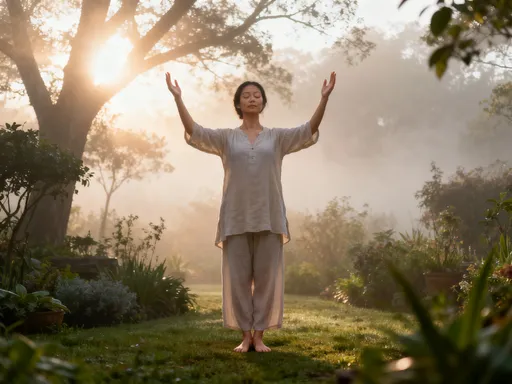
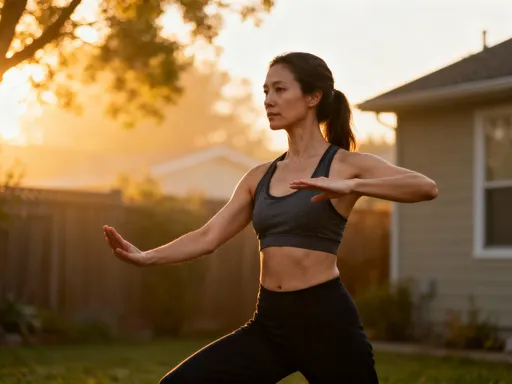
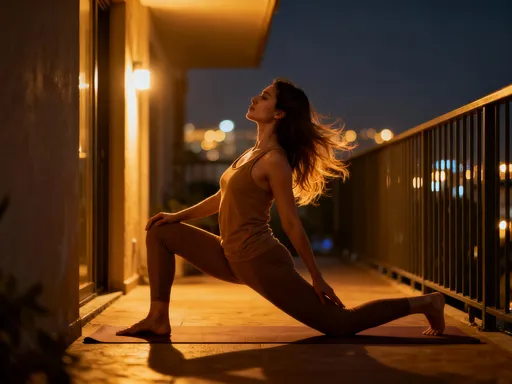
While physical exertion supports hair health, so does calm. Yoga and other mind-body practices address the psychological roots of hair loss by reducing mental stress and enhancing circulation through gentle postures. Unlike high-intensity workouts, yoga emphasizes breath control, mindfulness, and deliberate movement—all of which contribute to lowering cortisol and promoting relaxation.
One of the most intriguing aspects of yoga for hair health is the use of inverted poses. Poses such as downward dog, legs-up-the-wall, and gentle headstands temporarily reverse blood flow, encouraging circulation to the upper body and scalp. Although full inversions like headstands require practice and caution, even mild inversions can have a noticeable effect. For example, lying on the floor with legs extended vertically against a wall allows gravity to assist blood return to the head without strain. Practicing this pose for 5 to 10 minutes daily can create a soothing sensation on the scalp, signaling increased flow.
Beyond circulation, yoga’s impact on the nervous system is profound. Chronic stress keeps the body in “fight-or-flight” mode, dominated by the sympathetic nervous system. Yoga activates the parasympathetic nervous system—the “rest-and-digest” state—helping to calm the mind and reduce anxiety. A 2018 study in the *International Journal of Yoga* found that participants who practiced yoga regularly reported lower perceived stress levels and improved sleep quality, both of which are linked to healthier hair.
For beginners, a simple sequence can include child’s pose, cat-cow stretches, seated forward bend, and legs-up-the-wall pose. Holding each position for 30 seconds to a minute while focusing on deep, rhythmic breathing enhances the calming effect. Adding a short meditation or gratitude practice afterward can deepen the sense of peace. The goal isn’t perfection but consistency. Even 10 to 15 minutes a day can make a difference in managing stress-related hair shedding. Over time, this internal shift may reflect externally in stronger, more resilient hair.
Putting It All Together: A Weekly Routine That Works
Creating a sustainable weekly exercise plan is essential for long-term success. The goal isn’t to overhaul your life overnight but to build a balanced routine that supports hair health without causing burnout. A well-structured plan combines cardio, strength training, and mind-body movement in a way that feels manageable and enjoyable.
Here’s a sample five-day schedule designed for real life:
Day 1: 30-minute brisk walk (cardio) + 10 minutes of stretching or gentle yoga
Day 2: Full-body strength workout (bodyweight squats, push-ups, planks—3 sets of 10–12 reps) + 5 minutes of deep breathing
Day 3: Rest or light activity like walking or stretching
Day 4: 20-minute swim or stationary bike session (moderate intensity) + 10 minutes of legs-up-the-wall pose
Day 5: Yoga flow (20 minutes focusing on inversions and relaxation) + 5 minutes of meditation
Day 6: Active recovery—gardening, light housework, or a leisurely walk
Day 7: Rest
This routine balances intensity with recovery, ensuring the body isn’t under constant stress. Each session is short enough to fit into a busy schedule yet effective in supporting circulation, hormonal balance, and mental well-being. The effort level ranges from light to moderate, making it accessible for most adults, regardless of fitness background.
Consistency matters more than perfection. Missing a day isn’t failure—it’s part of the process. The key is returning to the routine without guilt. Tracking progress can help: use a simple calendar to mark completed sessions, or set reminders on your phone. Pairing exercise with a pleasant habit—like listening to a favorite podcast during walks or doing yoga after morning tea—can improve adherence. Over time, these small actions accumulate into lasting change.
Beyond the Gym: Lifestyle Synergy for Lasting Results
Exercise is powerful, but it doesn’t work in isolation. Hair health thrives on synergy—when multiple lifestyle factors align to support the body’s natural processes. Sleep, hydration, and nutrition are just as important as movement. Without adequate rest, even the best workout routine may fail to deliver results. During deep sleep, the body repairs tissues, balances hormones, and regenerates cells—including those in hair follicles. Adults should aim for 7 to 9 hours of quality sleep per night to support overall wellness.
Hydration is another cornerstone. Water makes up a significant portion of the hair shaft, and dehydration can lead to dryness, brittleness, and breakage. While drinking water won’t directly cause hair to grow, it creates the internal moisture balance needed for healthy strands. Aim for about 8 cups (64 ounces) of water daily, adjusting for climate, activity level, and individual needs.
Nutrition provides the raw materials for hair growth. Proteins, iron, zinc, biotin, and essential fatty acids are all involved in building strong hair. A balanced diet rich in whole grains, lean proteins, leafy greens, nuts, and healthy fats supports both scalp health and systemic wellness. While supplements are available, they should not replace a nutritious diet and should only be taken under medical supervision, especially if hair loss is sudden or severe.
It’s also important to recognize when professional help is needed. If you notice rapid thinning, patchy bald spots, or scalp irritation, consult a healthcare provider or dermatologist. These symptoms may indicate an underlying condition such as alopecia areata, thyroid dysfunction, or nutrient deficiency, which require medical evaluation. Exercise can support treatment but should not replace it.
Conclusion
Exercise won’t replace medical treatments, but it’s a powerful, accessible tool in preventing hair loss. By improving circulation, lowering stress, and balancing hormones, movement creates the internal conditions hair needs to thrive. This isn’t about drastic changes—it’s about making small, smart choices every day. When you treat your body well, your hair often follows. The journey to healthier hair begins not with a miracle product, but with the simple, consistent act of caring for yourself. And sometimes, that care starts with a single step—literally.