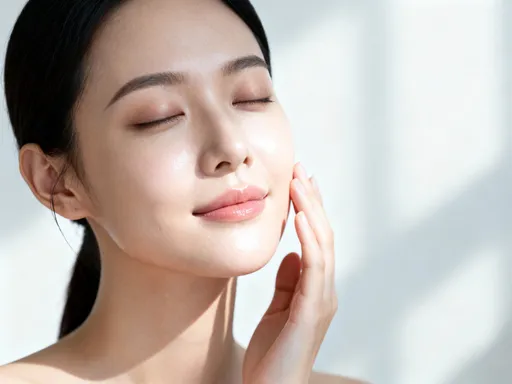
Glowing Skin Started When I Listened to These 5 Body Signals
You’ve probably wondered why your skin reacts the way it does—breakouts, dryness, dullness—without clear answers. The truth? Your skin isn’t just about what you apply topically. It’s a mirror reflecting deeper health indicators like sleep quality, stress levels, hydration, gut health, and hormone balance. I used to chase quick fixes until I realized real skincare starts from within. This is a no-BS look at how listening to your body transforms not just your complexion, but your overall well-being.
The Skin-Health Connection: More Than Meets the Eye
Skin is the body’s largest organ, and it does far more than serve as a protective barrier. It actively communicates internal conditions through texture, tone, and resilience. When inflammation runs high, for instance, the skin often shows it through redness, puffiness, or sensitivity. Nutrient deficiencies—such as low levels of vitamin A, C, E, or essential fatty acids—can result in dryness, flakiness, or a lack of elasticity. Even the liver’s ability to process toxins can influence how clear or congested the complexion appears.
Many people treat skin concerns like isolated problems, reaching for spot treatments or serums without considering root causes. But this approach often leads to temporary improvements at best. Lasting radiance isn’t achieved by layering products—it comes from supporting the systems beneath the surface. For example, someone dealing with persistent acne may benefit more from improving digestion than from using stronger cleansers. Similarly, chronic under-eye circles might not respond to concealers if they stem from poor sleep quality or fluid retention linked to kidney function.
Understanding the skin-health connection means shifting perspective. Instead of asking, “What can I put on my face?” we begin to ask, “What is my body trying to tell me?” This mindset opens the door to sustainable changes. It encourages habits that nourish from within: balanced meals, consistent rest, mindful movement, and emotional regulation. Over time, these choices reflect outwardly—not as perfection, but as vitality. The skin becomes less reactive, more resilient, and naturally brighter when the body feels supported.
Signal #1: Your Skin Says You’re Stressed (Even If You Don’t Realize It)
Stress doesn’t always announce itself with obvious symptoms like headaches or irritability. Sometimes, it speaks through the skin. Elevated cortisol—the primary stress hormone—triggers a cascade of physiological responses, including increased oil production and weakened skin barrier function. This creates the perfect environment for breakouts, dehydration, and sensitivity. Even if you feel emotionally stable, physical stressors like overexercising, irregular eating patterns, or constant screen exposure can elevate cortisol silently.
One common sign of hidden stress is sudden acne along the jawline or chin, especially in women over 30. Another is increased reactivity—products that once worked well now cause redness or stinging. Some women notice their skin looks “tired” despite using hydrating creams, with fine lines appearing more pronounced and glow diminishing. These are not signs of aging alone; they are often signals of cumulative stress affecting cellular renewal and circulation.
The good news is that stress resilience can be cultivated. Simple breathing techniques, such as diaphragmatic breathing for five minutes daily, help reset the nervous system. Establishing predictable routines—like consistent mealtimes and bedtime rituals—also reduces the body’s stress load. Mindfulness practices, even brief moments of intentional stillness, support emotional balance and reduce cortisol spikes. Movement matters too: moderate activities like walking, yoga, or stretching improve circulation and lower stress hormones naturally.
It’s also important to evaluate lifestyle patterns. Are you skipping meals due to a busy schedule? Are you answering emails late into the night? These behaviors signal to the body that it must stay in “alert” mode, which compromises skin health over time. By making small adjustments—such as scheduling tech-free time before bed or preparing simple meals ahead of time—you create space for recovery. When stress is managed, many women report clearer skin, reduced puffiness, and a return of natural radiance, often without changing their skincare routine at all.
Signal #2: Dullness Means You Might Be Dehydrated—Inside Out
Dehydration is one of the most overlooked causes of lackluster skin. While moisturizers provide surface-level relief, they cannot compensate for systemic fluid deficits. True hydration happens from within, supported by adequate water intake, proper electrolyte balance, and healthy kidney function. When the body lacks sufficient fluids, the skin loses plumpness, appears flat, and may develop fine lines more easily. Unlike dry skin—which lacks oil—dehydrated skin lacks water, and it can affect anyone, even those with oily complexions.
Signs of internal dehydration go beyond tightness or flakiness. They include dark under-eye circles, a sallow tone, and slow bounce-back when the skin is gently pinched. Some women notice their makeup settles into patches or looks uneven by midday, not because of the product, but because their skin isn’t holding moisture effectively. This kind of dullness often persists despite using hydrating serums or sheet masks, indicating that topical solutions aren’t enough.
Improving hydration starts with daily habits. Drinking water consistently throughout the day—rather than consuming large amounts at once—allows the body to absorb and utilize fluids more efficiently. Starting the morning with a glass of water, especially after hours without intake during sleep, helps kickstart metabolism and rehydrate tissues. Adding a pinch of mineral-rich sea salt or a slice of lemon can enhance absorption and support electrolyte balance, which is crucial for cellular hydration.
Beverage choices matter too. While herbal teas and infused waters contribute to fluid intake, caffeinated drinks and alcohol have a diuretic effect, increasing fluid loss. Limiting these, especially in the afternoon and evening, supports better hydration status. Eating water-rich foods—such as cucumbers, celery, watermelon, and oranges—also boosts fluid intake while providing vitamins and antioxidants that benefit skin health.
Monitoring urine color offers a simple way to assess hydration. Pale yellow indicates optimal levels, while dark yellow or amber suggests the need for more fluids. Listening to thirst cues is important, but it’s worth noting that by the time thirst is felt, mild dehydration may already be present. Building a routine—such as setting reminders to drink water every hour or carrying a reusable bottle—makes hydration a seamless part of daily life. When internal hydration improves, many women notice their skin looks more supple, reflects light better, and feels resilient to environmental stressors.
Signal #3: Breakouts Could Point to Gut Imbalance
The gut and skin are closely linked through what scientists call the gut-skin axis. This connection means that digestive health directly influences skin clarity. When the gut microbiome is imbalanced—due to poor diet, antibiotic use, or chronic stress—it can lead to increased intestinal permeability, often referred to as “leaky gut.” This allows undigested food particles and toxins to enter the bloodstream, triggering systemic inflammation that often manifests on the skin as acne, rosacea, or eczema.
Common digestive symptoms like bloating, gas, irregular bowel movements, or food sensitivities often coincide with skin flare-ups. For example, a woman might notice breakouts after eating certain foods, such as dairy or refined carbohydrates, without realizing the connection. Hormonal acne, particularly along the lower face, is frequently tied to gut health because the liver relies on a healthy digestive system to process and eliminate excess hormones effectively.
Supporting gut health doesn’t require extreme diets or expensive supplements. Simple, evidence-based changes can make a significant difference. Increasing dietary fiber from vegetables, fruits, legumes, and whole grains feeds beneficial gut bacteria and promotes regular elimination. Fermented foods like plain yogurt, kefir, sauerkraut, and kimchi introduce probiotics that help restore microbial balance. These foods are natural sources of live cultures and do not require medical supervision when consumed in moderation.
Chewing food thoroughly and eating in a calm environment also support digestion. When meals are rushed or eaten under stress, the body produces less stomach acid and digestive enzymes, leading to incomplete breakdown of nutrients and potential irritation in the gut lining. Creating a peaceful mealtime routine—free from screens and distractions—encourages better digestion and reduces gastrointestinal strain.
For some women, eliminating highly processed foods, excess sugar, and artificial additives can reduce both digestive discomfort and skin issues. These ingredients feed harmful bacteria and promote inflammation, which affects multiple systems, including the skin. Gradual dietary shifts are more sustainable than drastic restrictions. Keeping a simple food and symptom journal can help identify patterns and guide personalized choices. When gut health improves, many report not only fewer breakouts but also increased energy, better mood, and improved regularity—benefits that extend far beyond the skin.
Signal #4: Dark Circles? It Might Be Your Sleep Quality Talking
Dark circles are often blamed on not getting enough sleep, but the real issue may be sleep quality rather than quantity. Even eight hours of fragmented or shallow sleep may not allow the body to complete its full recovery cycle. During deep sleep, blood flow to the skin increases, supporting collagen production and cellular repair. When this phase is disrupted, the under-eye area—where the skin is thinnest—can appear darker, puffier, and more fatigued.
The liver also plays a key role in overnight detoxification. It processes hormones, metabolizes nutrients, and clears waste products while we sleep. Poor sleep quality can slow this process, leading to fluid retention and discoloration around the eyes. Some women notice their dark circles worsen during times of hormonal fluctuation or after consuming alcohol, both of which place additional demands on liver function.
Improving sleep quality begins with consistency. Going to bed and waking up at the same time every day—even on weekends—helps regulate the circadian rhythm, the body’s internal clock that governs sleep-wake cycles. A predictable routine signals to the brain when it’s time to wind down and when it’s time to be alert, leading to more restorative sleep over time.
Creating a pre-sleep ritual enhances this process. Dimming the lights, turning off electronic devices at least an hour before bed, and engaging in calming activities—such as reading, gentle stretching, or listening to soft music—prepare the nervous system for rest. Blue light from screens suppresses melatonin, the hormone that promotes sleep, so reducing exposure in the evening supports natural drowsiness.
Environment matters too. A cool, quiet, and dark bedroom encourages deeper sleep. Using blackout curtains, a white noise machine, or an eye mask can improve conditions for rest. Avoiding heavy meals, caffeine, and intense exercise close to bedtime prevents disruptions in sleep onset and maintenance. Some women find that drinking herbal tea—such as chamomile or passionflower—helps them relax without causing grogginess the next day.
Over time, better sleep quality leads to visible improvements. The under-eye area appears brighter, puffiness decreases, and overall skin tone becomes more even. Beyond appearance, women often report feeling more focused, emotionally balanced, and energized during the day. Sleep is not a luxury—it’s a foundational pillar of skin and overall health.
Signal #5: Hormonal Fluctuations Leave Clues on Your Skin
Hormones play a powerful role in skin health, influencing oil production, hydration levels, and inflammatory responses. Throughout the menstrual cycle, shifts in estrogen, progesterone, and testosterone can create predictable patterns on the skin. For example, many women experience increased oiliness and breakouts in the days leading up to their period, when progesterone rises and estrogen drops. Others may notice dryness or sensitivity during the low-hormone phase of their cycle.
As women enter their late 30s and 40s, hormonal changes become more pronounced. Perimenopause brings fluctuations in estrogen that can lead to thinning skin, increased dryness, and loss of firmness. Some develop adult acne along the jawline or neck, not because of poor hygiene, but due to changes in hormone metabolism. These shifts are natural, but lifestyle factors can either support or strain the body’s ability to adapt.
Blood sugar balance is one of the most impactful factors in hormone regulation. Consuming meals high in refined carbohydrates and sugar causes insulin spikes, which can increase androgen activity and stimulate oil glands. Over time, this contributes to breakouts and uneven texture. Eating balanced meals with protein, healthy fats, and fiber helps stabilize blood sugar and supports hormonal equilibrium.
Another often-overlooked factor is exposure to endocrine disruptors—chemicals that mimic or interfere with hormones. These can be found in certain plastics, fragranced personal care products, and household cleaners. Switching to glass or stainless steel containers, choosing fragrance-free skincare, and using natural cleaning agents reduce this exposure over time. Reading labels and opting for products with minimal, recognizable ingredients supports long-term hormonal health.
Tracking your cycle can provide valuable insights. Noting skin changes alongside menstrual phases helps identify patterns and anticipate needs. For example, increasing hydration and gentle exfoliation in the pre-menstrual phase may prevent congestion. Prioritizing rest and anti-inflammatory foods during hormonal shifts supports the body’s natural rhythm. While hormones cannot be controlled, they can be respected—and when supported with mindful choices, their impact on the skin becomes more manageable.
From Awareness to Action: Building a Skin-Smart Lifestyle
Recognizing the five body signals—stress, dehydration, gut imbalance, poor sleep, and hormonal shifts—is only the beginning. The real transformation happens when awareness turns into consistent action. This doesn’t mean overhauling your life overnight or chasing perfection. It means making small, sustainable choices that honor what your body is telling you.
Start by observing. Pay attention to how your skin changes in response to different days, meals, or emotional states. Keep a simple journal to note patterns—what you ate, how you slept, when breakouts occur. This practice builds self-awareness and helps identify triggers without judgment. Over time, you’ll begin to see connections that were once invisible.
Next, prioritize foundational habits. Hydration, balanced nutrition, quality sleep, and stress management are not trends—they are essentials. Build them gradually. If drinking more water feels challenging, start with one extra glass each morning. If sleep is inconsistent, focus first on a 10-minute wind-down routine. Small steps create lasting change because they are realistic and repeatable.
Be patient with yourself. Skin renewal takes time—typically four to six weeks for surface cells to turn over. Changes may not be immediate, but consistency compounds. A week of better sleep may not erase dark circles, but three months of regular rest will transform your complexion from within. Trust the process, not the quick fix.
When needed, seek professional guidance. A healthcare provider can help rule out underlying conditions, such as thyroid imbalances or nutrient deficiencies. A registered dietitian can offer personalized nutrition advice. These experts complement self-care by providing clarity and support.
Ultimately, glowing skin is not about covering up flaws—it’s about listening deeply and responding with care. It’s about honoring your body’s signals as valuable information, not nuisances to be silenced. When you treat skincare as an act of self-respect, the results go beyond appearance. You feel more grounded, more in tune, more like yourself. And that inner confidence? That’s the truest glow of all.