How I Balanced My Body with Simple TCM Habits—And Why It Actually Worked
For years, I felt constantly drained—low energy, poor sleep, and frequent colds. Western medicine offered temporary fixes, but nothing lasting. Then I tried traditional Chinese medicine (TCM) principles, not as quick fixes, but as a system. What changed wasn’t one remedy, but a shift in mindset. This is about how small, consistent habits—rooted in balance, rhythm, and awareness—helped me feel like myself again. It wasn’t a dramatic transformation overnight, but a gradual return to vitality that felt sustainable and deeply personal. The journey wasn’t about chasing symptoms away, but about understanding what my body had been trying to tell me all along.
The Hidden Imbalance: Why Feeling "Fine" Isn’t Always Healthy
Many people, especially women in their thirties to fifties, live with a quiet undercurrent of fatigue, occasional digestive discomfort, or recurring tension headaches and assume it’s just part of adult life. They manage homes, care for children or aging parents, meet work deadlines, and still find time to cook and clean—yet feel they are running on empty. What’s often missed is that feeling “fine” does not necessarily mean being healthy. In traditional Chinese medicine, health is not merely the absence of disease, but a state of dynamic equilibrium where the body, mind, and environment are in harmony. This concept challenged everything I thought I knew about wellness.
Western medicine often focuses on diagnosing and treating specific conditions once they become severe enough to measure. TCM, by contrast, emphasizes early detection of imbalance—long before symptoms escalate into diagnosable illness. It operates on the belief that the body sends subtle signals: a change in sleep patterns, a slight drop in energy after meals, increased sensitivity to cold, or even shifts in emotional resilience. These are not random inconveniences; they are meaningful messages. My own turning point came when I realized that my “normal” routine—rushing through mornings, relying on coffee to stay alert, and collapsing into bed late at night—was not sustainable. I wasn’t sick, but I wasn’t thriving either.
TCM teaches that imbalance begins with small disruptions in the body’s natural rhythms. Over time, these accumulate. For example, chronic stress may initially show up as irritability or mild insomnia, but left unaddressed, it can lead to more serious issues like hormonal fluctuations, weakened immunity, or digestive disorders. The brilliance of TCM lies in its preventive nature. Instead of waiting for a crisis, it encourages daily awareness and gentle correction. By learning to recognize the early signs of disharmony—such as persistent tiredness despite adequate sleep or a recurring feeling of heaviness in the limbs—I began to see my body not as a machine to be pushed, but as a living system that required attention and care.
The Core Concept: Qi, Blood, and the Flow of Vital Energy
At the heart of traditional Chinese medicine is the concept of Qi (pronounced “chee”), the vital energy that flows through the body along pathways known as meridians. Qi is responsible for maintaining physical function, supporting immunity, and regulating emotional well-being. Equally important is blood, which in TCM is not just a circulatory fluid but a nourishing substance that carries Qi and sustains tissues, organs, and mental clarity. When Qi and blood flow smoothly, the body functions optimally. When they become blocked or deficient, discomfort arises.
Blockages in Qi can result from physical inactivity, emotional stress, poor diet, or exposure to environmental factors like dampness or cold. Deficiency, on the other hand, often stems from overwork, chronic illness, or inadequate rest. Common signs of Qi stagnation include muscle tension, mood swings, bloating, and a feeling of being “stuck.” Blood deficiency may manifest as pale complexion, dizziness, dry skin, or difficulty concentrating. I began to notice these patterns in myself: cold hands even in warm rooms, dull skin that lacked radiance, and moments of unexplained irritability—especially in the late afternoon. These were not isolated issues but interconnected signals pointing to deeper energetic imbalances.
What surprised me most was how responsive the body can be when given the right support. Simply becoming aware of these signs allowed me to make small adjustments. For instance, when I felt Qi stagnation—often after long hours at a desk—I started incorporating short breaks to stretch or walk. I also began massaging acupressure points like Liver 3, located between the big toe and second toe, which is traditionally used to soothe emotional tension and promote Qi flow. Over time, these practices helped reduce the frequency of headaches and improved my overall sense of calm. The body, I learned, does not need dramatic interventions to rebalance—just consistent, mindful attention.
Diet as Daily Medicine: Eating According to Your Body’s Rhythm
In traditional Chinese medicine, food is not just fuel—it is medicine. The way we eat, what we eat, and when we eat all influence the body’s internal environment. Unlike modern diet trends that emphasize calorie counting or macronutrient ratios, TCM nutrition focuses on the energetic properties of food: its temperature, taste, and effect on digestion. For example, raw and cold foods like smoothies and salads are considered cooling and can weaken digestive fire, especially in individuals with a tendency toward cold limbs or sluggish digestion. Warming foods such as soups, stews, and cooked vegetables, on the other hand, are believed to support the Spleen and Stomach Qi, which are central to transforming food into usable energy.
My personal shift began when I decided to replace my morning smoothie—once considered a health staple—with a warm bowl of congee, a simple rice porridge often eaten in Asian cultures. Within days, I noticed a difference: less bloating, steadier energy, and a sense of grounding that I hadn’t felt before. This wasn’t due to any exotic ingredient, but to the principle of eating in a way that respected my body’s digestive rhythm. TCM teaches that the digestive system is most active between 7 a.m. and 9 a.m., making breakfast the most important meal for building Qi. Eating warm, cooked foods during this window supports the Spleen’s function and prevents the accumulation of dampness, a TCM term for metabolic sluggishness that can lead to fatigue and weight retention.
Seasonality also plays a crucial role. In winter, warming foods like ginger, lamb, and root vegetables are encouraged to help the body conserve heat. In summer, lighter, cooling foods such as cucumber, mung beans, and watermelon are recommended to prevent overheating. I began to align my meals with the seasons, preparing hearty stews in colder months and switching to steamed greens and herbal teas in warmer ones. Additionally, I adopted the practice of eating mindfully—chewing thoroughly, avoiding distractions, and expressing gratitude before meals. This simple act of presence enhanced digestion and deepened my connection to food as nourishment, not just convenience. Over time, my energy levels stabilized, and my immune system strengthened, with fewer colds and faster recovery when illness did occur.
Lifestyle Adjustments: Aligning with Natural Cycles
The human body is deeply attuned to natural rhythms—the rising and setting of the sun, the changing of the seasons, and the ebb and flow of daily energy. Traditional Chinese medicine emphasizes living in accordance with these cycles to maintain balance. One of the most impactful changes I made was adjusting my sleep schedule to align with the body’s internal clock. According to TCM, the liver performs its most vital cleansing and rejuvenation work between 1 a.m. and 3 a.m., but only if the body is already in deep sleep by 11 p.m. Staying up past this time, even if total sleep duration is sufficient, can impair liver function and lead to irritability, poor detoxification, and hormonal imbalance.
I began winding down earlier, turning off screens by 9:30 p.m. and engaging in calming activities like reading or gentle stretching. Within weeks, I noticed that falling asleep became easier and my sleep quality improved. I woke up feeling more refreshed, even with the same number of hours. Morning became a more productive and peaceful time, allowing space for quiet reflection or light movement. I also started rising with the sun, which helped regulate my circadian rhythm and boosted daytime alertness. This shift was not about rigid rules, but about honoring the body’s natural inclination to rest and restore.
Daily routines were also restructured to support energy flow. I began taking a short walk after meals, a practice known to aid digestion and prevent Qi stagnation. I avoided heavy meals late at night, as the digestive system slows in the evening. I also paid attention to posture, especially during long periods of sitting. Slouching compresses internal organs and restricts Qi flow, while upright alignment supports respiration and circulation. Simple habits—like standing up every hour, doing shoulder rolls, or practicing deep breathing—became part of my day. These changes did not require extra time or effort, yet their cumulative effect was profound. My energy became more consistent, and I felt more in tune with the natural rhythm of each day.
Emotional Harmony: How Feelings Affect Physical Health
In traditional Chinese medicine, emotions are not separate from physical health—they are integral to it. Each major organ system is associated with a specific emotion: the liver with anger, the heart with joy, the spleen with worry, the lungs with grief, and the kidneys with fear. When emotions are experienced in moderation and expressed appropriately, they are a natural part of life. However, when they become chronic or suppressed, they can disrupt the flow of Qi and contribute to physical imbalances. This connection was eye-opening for me, as I had always viewed stress and mood swings as purely psychological issues.
I began to notice patterns: days of heightened anxiety often coincided with digestive discomfort, linking emotional worry to spleen function. Periods of frustration or unresolved anger were followed by tight shoulders and headaches, pointing to liver Qi stagnation. Grief, even if not consciously acknowledged, sometimes surfaced as shortness of breath or fatigue, reflecting its connection to the lungs. Instead of dismissing these feelings, I started treating them as valuable indicators of internal state. Journaling became a helpful tool—writing down thoughts and emotions helped me process them rather than let them build up. I also incorporated breathwork, focusing on slow, diaphragmatic breathing to calm the nervous system and restore Qi flow.
TCM does not pathologize emotions but views them as energy in motion. When emotions are allowed to move through the body and be released, they do not cause harm. It is the stagnation—holding onto resentment, overthinking, or emotional suppression—that creates blockages. By creating space for emotional awareness and expression, I found that physical symptoms often eased. For example, after a session of mindful breathing or a heartfelt conversation, I would feel a physical release in my chest or shoulders. This mind-body connection reinforced the idea that true wellness is not just about physical habits, but about emotional honesty and self-compassion.
Gentle Movement and Body Awareness: Qigong, Stretching, and Posture
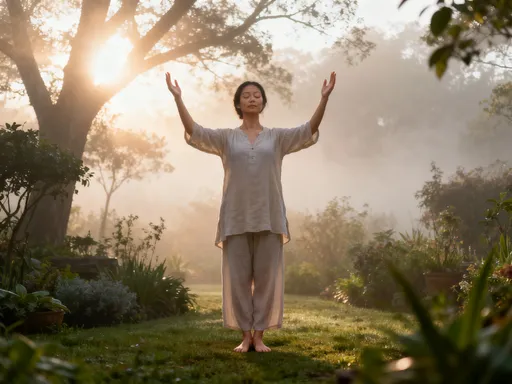
Unlike high-intensity fitness regimens that focus on pushing limits, traditional Chinese medicine favors gentle, mindful movement to cultivate and circulate Qi. Practices like qigong, tai chi, and simple stretching are designed to enhance flexibility, improve circulation, and calm the mind. I began with just ten minutes of qigong each morning, following a basic routine that included slow arm movements, deep breathing, and visualization of energy flowing through the body. At first, it felt unusual—so different from the fast-paced workouts I had tried before. But over time, I noticed subtle yet meaningful changes.
My flexibility improved, not dramatically, but enough to make daily movements easier. My focus sharpened, and I felt a greater sense of calm throughout the day. Most importantly, I became more attuned to my body’s signals. Instead of pushing through fatigue or discomfort, I learned to listen—adjusting my pace, resting when needed, and honoring my energy levels. This shift in mindset was as valuable as the physical practice itself. I also incorporated stretching into my routine, focusing on areas where tension commonly built up: neck, shoulders, and lower back. These simple movements, done consistently, helped release muscular tightness and improve posture.
Posture, in TCM, is more than just appearance—it reflects the state of internal energy. Slouching or hunching forward can compress the chest and diaphragm, restricting breath and Qi flow. Standing or sitting with an aligned spine allows energy to move freely. I made a habit of checking my posture throughout the day, especially while working at a desk. I adjusted my chair, used a small cushion for lumbar support, and took frequent breaks to stand and stretch. These small acts of body awareness contributed to a greater sense of vitality and reduced physical strain. Gentle movement, I realized, was not about performance—it was about presence and sustainability.
Building a Sustainable Routine: Small Steps, Big Shifts Over Time
One of the most liberating aspects of traditional Chinese medicine is that it does not demand perfection. It is not about overhauling your life overnight or adhering to a rigid set of rules. Instead, it emphasizes consistency, awareness, and patience. My journey was not linear—there were days when I reverted to old habits, skipped my morning routine, or ate something that didn’t agree with me. But what mattered was the overall direction. I focused on stacking small, manageable habits: drinking a cup of warm water upon waking to stimulate digestion, doing a few minutes of acupressure when feeling tense, or stepping outside to breathe fresh air during a stressful moment.
These micro-practices added up. Over months, I noticed a steady increase in resilience. I recovered from minor illnesses more quickly, handled stress with greater ease, and felt a deeper sense of clarity and calm. My skin became more radiant, my sleep more restorative, and my energy more stable throughout the day. The changes were not flashy, but they were real and lasting. What I appreciated most was that this approach felt sustainable. It fit into my life as a mother, a partner, and a professional—without requiring drastic sacrifices or expensive treatments.
Traditional Chinese medicine is not a quick fix or a cure-all. It is a lifelong practice of staying in tune with the body’s needs. It invites us to slow down, observe, and respond with kindness. The habits I’ve adopted—mindful eating, early bedtime, gentle movement, emotional awareness—are not exotic or complicated. They are rooted in ancient wisdom, tested over centuries, and accessible to anyone willing to listen. This system works not because it promises miracles, but because it aligns with the natural rhythms of the human body. And in a world that often pulls us in every direction, that alignment is perhaps the most powerful form of healing.
Traditional Chinese medicine doesn’t promise instant results, but it offers something deeper: a way to live in alignment with your body’s nature. By shifting from crisis management to daily balance, I found lasting energy and calm. These practices aren’t magic—they’re wisdom, tested over time. And while everyone’s journey is different, the core idea remains: true wellness begins when we stop fighting our bodies—and start listening.