How I Mastered Retirement Planning While Going Back to School
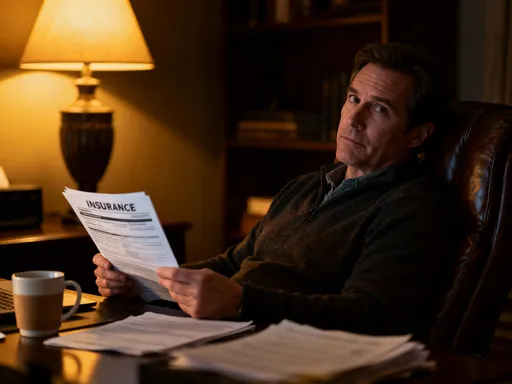
Returning to education later in life was exciting—but I almost wrecked my retirement savings. Juggling tuition, living costs, and future security felt overwhelming. I made mistakes, learned hard lessons, and eventually found a balance. This is my real talk about managing money while pursuing senior education, from protecting retirement funds to smart budgeting—so you don’t have to learn the hard way. The dream of advancing my career through further study came with a steep price I hadn’t fully anticipated. It wasn’t just the cost of enrollment or textbooks; it was the ripple effect on every part of my financial life. I had to confront hard truths about trade-offs, timing, and long-term consequences. But through careful planning, small but consistent choices, and a commitment to staying financially aware, I turned a potentially risky decision into a sustainable transition. This is how I protected my future while investing in myself.
The Hidden Cost of Going Back to School as an Adult
When most people think about returning to school, they picture tuition bills and book fees. What often goes unnoticed are the invisible financial drains that quietly erode retirement savings and long-term stability. For me, the real cost wasn’t just paying for classes—it was the income I gave up. I had been working part-time in a role that offered flexibility and a modest but reliable paycheck. Stepping away from that to focus on coursework meant losing nearly $18,000 a year in earnings. That number didn’t show up on a tuition invoice, but it hit my bank account every month with real consequences.
Beyond lost wages, there were lifestyle adjustments that compounded the strain. I could no longer afford weekend outings, dining out, or even routine home maintenance without careful planning. Small luxuries became budget line items I had to justify. More importantly, I delayed contributions to my retirement accounts. My 401(k) had been growing steadily with automatic payroll deductions, but once I left my job, those contributions stopped. The psychological impact was just as significant as the financial one. I began to feel like I was trading future security for present opportunity—investing in a new career path while watching my retirement horizon recede.
What helped me regain control was acknowledging these hidden costs early. I created a comprehensive financial snapshot that included not just direct education expenses, but also projected income loss, reduced retirement contributions, and increased daily living costs due to time constraints. This full-picture view allowed me to reset my expectations and develop a more realistic plan. I accepted that this phase would require sacrifice, but I refused to let it derail my long-term goals. Recognizing the true price of education wasn’t discouraging—it was empowering. It gave me the clarity to make informed decisions and prioritize what truly mattered.
Why Retirement Shouldn’t Take a Backseat (Even When You’re in Class)
One of the biggest financial missteps I made was pausing my retirement savings entirely during my first year back in school. At the time, it seemed logical—cash flow was tight, and every dollar had to count. I told myself I’d make up for it later. But “later” turned into a longer gap than I anticipated, and the cost of that delay became painfully clear when I reviewed my account balances a year later. The power of compound growth had slowed significantly, and I realized I’d lost not just contributions, but the potential earnings on those missed deposits.
Retirement savings are not like other financial goals that can be paused and restarted without consequence. Time is the most valuable asset in wealth building, and every year without contributions reduces the snowball effect of compounding. According to financial planners, a 10-year delay in saving can cut your eventual retirement fund by as much as 50%, even if you save more later. I wasn’t planning a 10-year break, but my one-year pause was a warning sign. I realized that consistency mattered more than the amount. Even small, regular contributions kept me psychologically connected to my long-term vision and maintained the habit of saving.
So I adjusted my strategy. Instead of stopping contributions completely, I scaled them down. I opened a Roth IRA with a low monthly minimum and set up automatic transfers of just $50 per month. It wasn’t much, but it was enough to keep the account active and growing. I also shifted some of my existing investments into more stable, dividend-paying funds to reduce volatility during a period of uncertain income. This wasn’t about maximizing returns—it was about preserving progress and maintaining discipline. By treating retirement as a non-negotiable priority, even during a transitional phase, I protected my future self from unnecessary setbacks.
Balancing Education Funding and Future Security
One of the toughest financial decisions I faced was how to allocate limited resources between immediate needs and long-term goals. Should I spend $3,000 on a certification program now, or save that money for retirement? At first, these choices felt like zero-sum games—every dollar spent on education was a dollar not saved for the future. But over time, I learned that the most effective financial planning doesn’t force an either/or choice. Instead, it seeks synergy between present investments and future security.
I began evaluating my educational path not just by its upfront cost, but by its potential return on investment. Would this degree or certification lead to a higher-paying job? Could it shorten the number of years I’d need to work before retiring? For example, completing a specialized credential in healthcare administration opened the possibility of transitioning into a role with a 30% higher salary. That increase wouldn’t just improve my lifestyle—it would allow me to save more aggressively in the years ahead. When framed this way, education wasn’t a drain on retirement funds; it was a strategic tool to enhance them.
I also looked for programs that offered financial support, such as employer tuition reimbursement, grants for adult learners, or income-share agreements that deferred payment until after employment. These options reduced the immediate financial burden and allowed me to maintain a baseline level of retirement saving. I created a simple decision matrix that weighed cost, time commitment, expected salary increase, and impact on retirement savings. This helped me choose programs that aligned with both my career goals and financial health. The key insight was that education and retirement planning aren’t opposing forces—they can work together when approached with intention and clarity.
Smart Budgeting Tactics That Actually Worked for Me
Budgeting is often seen as a rigid, restrictive exercise, but in my experience, it became a source of freedom. When I returned to school, I tested several methods—some failed, others transformed my financial outlook. The most effective strategies weren’t about extreme deprivation, but about making intentional, sustainable choices. I started by tracking every expense for three months, which revealed surprising leaks in my spending. Subscription services I rarely used, impulse purchases during study breaks, and convenience foods added up to over $200 a month—money I could have redirected toward savings or tuition.
One of the most impactful changes was redefining what I considered a “need” versus a “want.” During my studies, I shifted my mindset from convenience to conservation. I bought secondhand textbooks online, borrowed course materials from the library, and joined study groups that shared digital resources. I also embraced meal planning, cooking large batches on weekends to avoid costly takeout during busy weeks. These changes didn’t require drastic lifestyle shifts, but they saved me nearly $1,500 over the course of the year.
Equally important was building a buffer for irregular expenses. School-related costs don’t always show up on a tuition bill—software subscriptions, printing fees, travel for internships, and conference registrations can sneak up unexpectedly. I created a separate “academic expenses” fund and contributed $75 per month, treating it like a fixed cost. This prevented last-minute financial stress and helped me stay on track with other goals. I also used cash-back credit cards for necessary purchases, paying off the balance in full each month to avoid interest. These practical, realistic tactics gave me control without sacrificing quality of life. Budgeting wasn’t about cutting back—it was about making room for what truly mattered.
Managing Debt Without Derailing Your Retirement
Taking on student loans felt unavoidable, but I was determined not to let debt sabotage my retirement timeline. Many adult learners assume they’ll have to borrow heavily, but how you borrow matters just as much as how much. I made a strict rule: I would only take out loans for essential expenses—tuition, fees, and required materials. I covered living costs through savings, part-time freelance work, and careful budgeting. This approach limited my total debt and reduced long-term repayment pressure.
I also prioritized federal student loans over private ones. Federal loans offered income-driven repayment plans, deferment options, and potential forgiveness programs—protections that private lenders rarely provide. I avoided using credit cards for school-related purchases, knowing that high interest rates could turn a $500 textbook fee into a $900 debt over time. Before signing any loan agreement, I calculated the estimated monthly payment after graduation and compared it to projected income. If the payment exceeded 10% of expected earnings, I looked for alternatives—scholarships, work-study programs, or delayed enrollment.
Perhaps the most important step was creating a repayment plan before I even graduated. I used online calculators to project my debt timeline and set up automatic payments to begin three months after completion. Knowing exactly what I owed and when it was due reduced anxiety and helped me stay disciplined. I also explored loan forgiveness opportunities in public service and education sectors, which could erase part of my balance after ten years of qualifying payments. By treating debt as a temporary tool rather than a long-term burden, I protected my ability to save for retirement and maintain financial stability after graduation.
Investment Adjustments During Life Transitions
Life transitions often require financial recalibration, and returning to school was no exception. My investment strategy before enrolling was focused on growth—I had a balanced portfolio of stocks, mutual funds, and ETFs designed for long-term appreciation. But once my income became less predictable, I knew I needed to reduce risk. I didn’t abandon investing, but I adjusted my approach to match my current reality.
I shifted a portion of my portfolio into more stable, lower-volatility assets such as bond funds and dividend-paying blue-chip stocks. This wasn’t a move away from growth, but a temporary safeguard against market downturns during a period when I couldn’t afford significant losses. I also paused new speculative investments and stopped trying to time the market. Instead, I focused on low-cost, diversified index funds that required minimal management and offered steady, long-term returns.
Another key change was increasing my cash reserves. I built up a larger emergency fund—enough to cover nine months of essential expenses—to protect against unexpected setbacks like medical bills or car repairs. This gave me peace of mind and prevented me from dipping into retirement accounts or taking on high-interest debt. I also reviewed my asset allocation annually, ensuring it remained aligned with my risk tolerance and timeline. These adjustments weren’t signs of financial retreat; they were smart, proactive steps to preserve wealth during a transitional phase. By adapting my investment strategy, I maintained financial resilience without sacrificing long-term goals.
Building a Sustainable Financial Plan for Life After School
Graduation wasn’t the finish line—it was the starting point of a new financial chapter. I knew that without a clear post-education plan, I could easily fall back into old habits or become overwhelmed by new responsibilities. So I created a structured roadmap with specific milestones: six months after graduation, one year out, and five years ahead. This plan included catching up on retirement savings, managing student loan payments, increasing my emergency fund, and setting new wealth-building goals.
In the first six months, my priority was stabilizing my income. I secured a full-time position in my new field and negotiated a salary that reflected my upgraded credentials. I immediately reinstated my 401(k) contributions, starting at 10% of my paycheck and planning to increase it annually. I also began making aggressive payments on my student loans, using the avalanche method to eliminate high-interest debt first. At the one-year mark, I evaluated my progress and adjusted my budget to include a dedicated retirement catch-up fund, taking advantage of IRS provisions that allow individuals over 50 to contribute extra to retirement accounts.
Looking ahead five years, I set goals for net worth growth, debt freedom, and passive income generation. I explored side income opportunities related to my expertise, such as consulting and online courses, which could accelerate savings without requiring a second full-time job. I also revisited my investment portfolio, gradually shifting back toward growth-oriented assets as my income stabilized. This long-term vision kept me focused and motivated. Returning to school had been a financial challenge, but it also became a catalyst for greater discipline, clarity, and confidence. By planning ahead and staying committed to balance, I proved that investing in education doesn’t have to come at the expense of retirement security.